Research Question
- how to explore a city by its sounds and smells?
Our research explored the sensory identity of Zwolle’s city center by focusing on how everyday sounds and smells shape our perception of public space. These sensory layers often go unnoticed, yet they are deeply tied to the rhythms, movements, and memories of the city.
Why it Matters?
We realized that these sensory habits define how people relate to their environment not just in terms of what they see, but what they unconsciously experience. Ignoring habitual smells and sounds means overlooking essential aspects of Zwolle’s identity. By reintroducing awareness to these elements, we aim to redistribute sensory power encouraging a slower, more attentive way of being in the city
Mapping
We divided the city center of Zwolle into four within our group. Each Monday, we walked around in our designated areas with a map in our hands for ten minutes. We each drew our route on the map and documented the smells and sounds we noticed along the way.
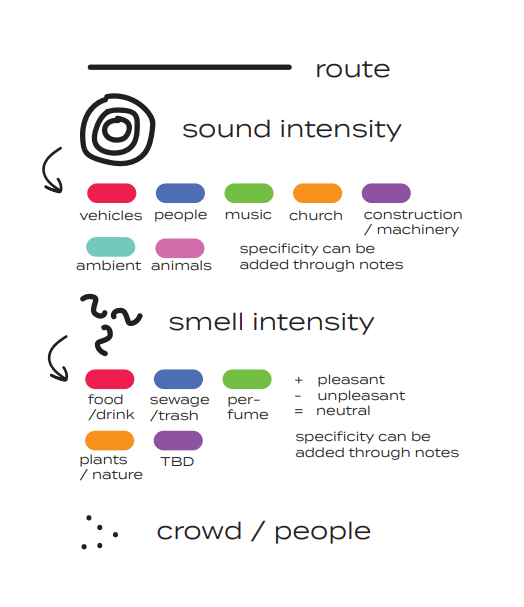
We created linear maps connecting zones of smell and sound intensity by rating sensory experiences as pleasant (+), unpleasant (–), or neutral (=), noting categories like:
Food/Drink
Sewage/Trash
Plants/Nature
Vehicles/People/Music
Church/Construction/Machinery
Through these experiments, we developed an intuitive map of Zwolle, the one that guides not by streets or signs, but by sensory impression
What We Observed?
Smells: The scent of fresh food and coffee from cafés mixed with the faint traces of sewage or trash on certain corners. The smell of rain on stone and plants often softened these contrasts.
Sounds: Church bells marking time, conversations, bicycles passing, and background construction noises became recurring sonic landmarks. Layers of ambient city sounds: footsteps, distant music, and wind defined the atmosphere of each street.
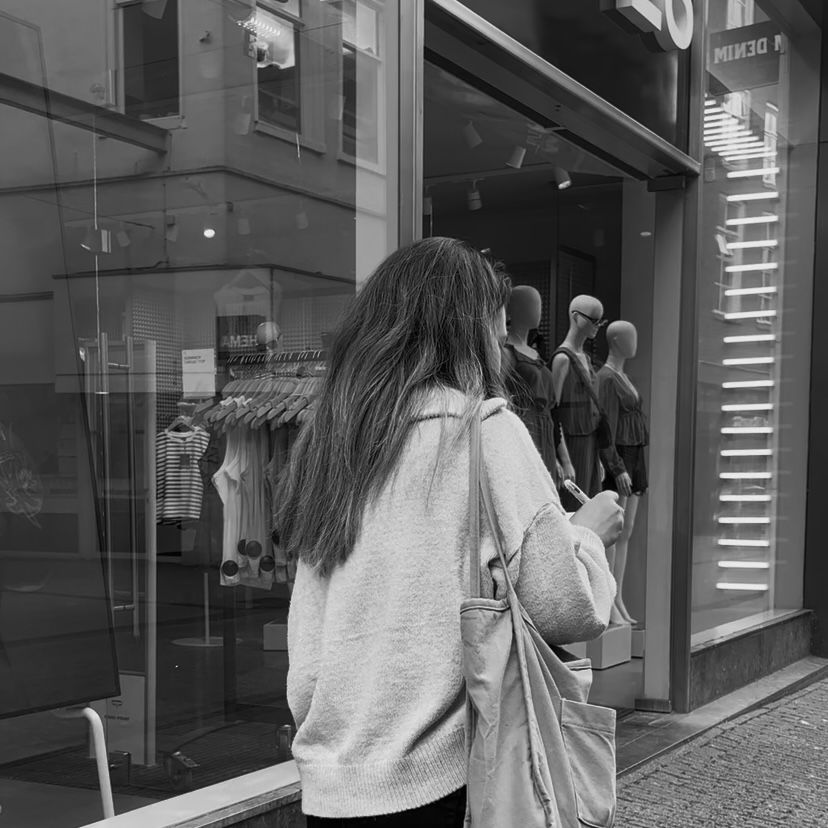
Habits: Many passersby filtered these experiences out through headphones or phone screens, reducing their sensory engagement with the city.
Conclusion
Through the act of listening and smelling, we rediscovered the city’s unnoticed habits. The sounds and scents that people often block out like church bells, rain, frying oil, bicycles, and the faint trace of garbage became tools for understanding how urban life is structured. By attuning ourselves to these sensory cues, we interrupted the automated way of moving through Zwolle.
This approach allowed us to experience the city not as a system of directions and functions, but as a living, breathing environment shaped by its sensory atmosphere. Ultimately, the habitual smells and sounds of Zwolle reveal how power operates through attention, what is highlighted, what is ignored, and how we can reclaim agency by simply noticing.