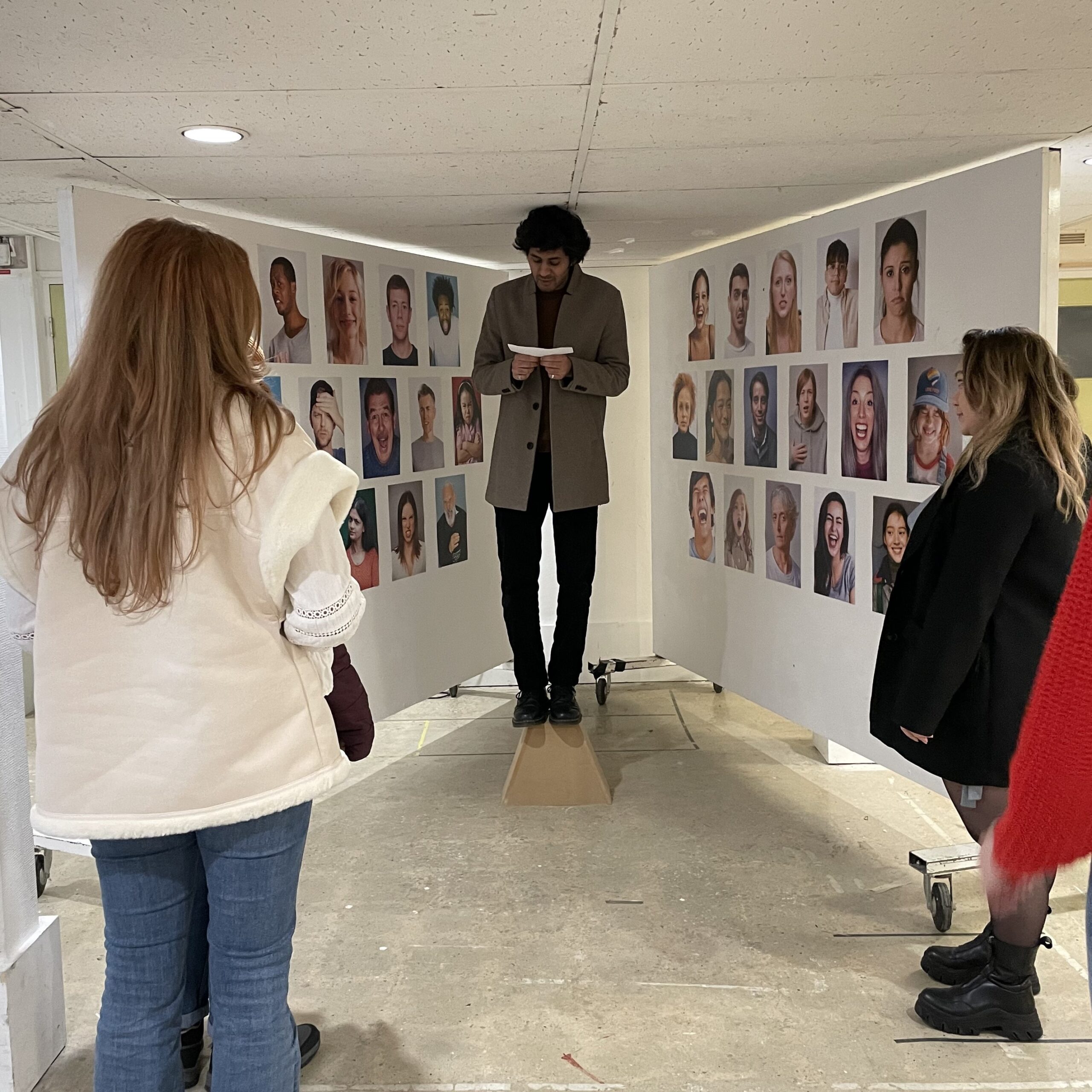
Social and Behavioral Experiments
To what extent does clothing color affect social reactions and behavior in public?
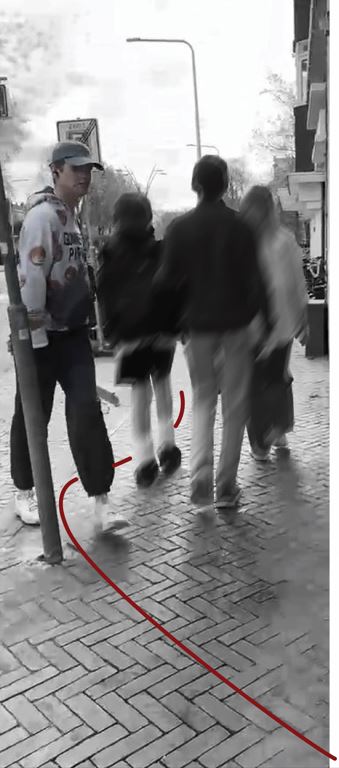
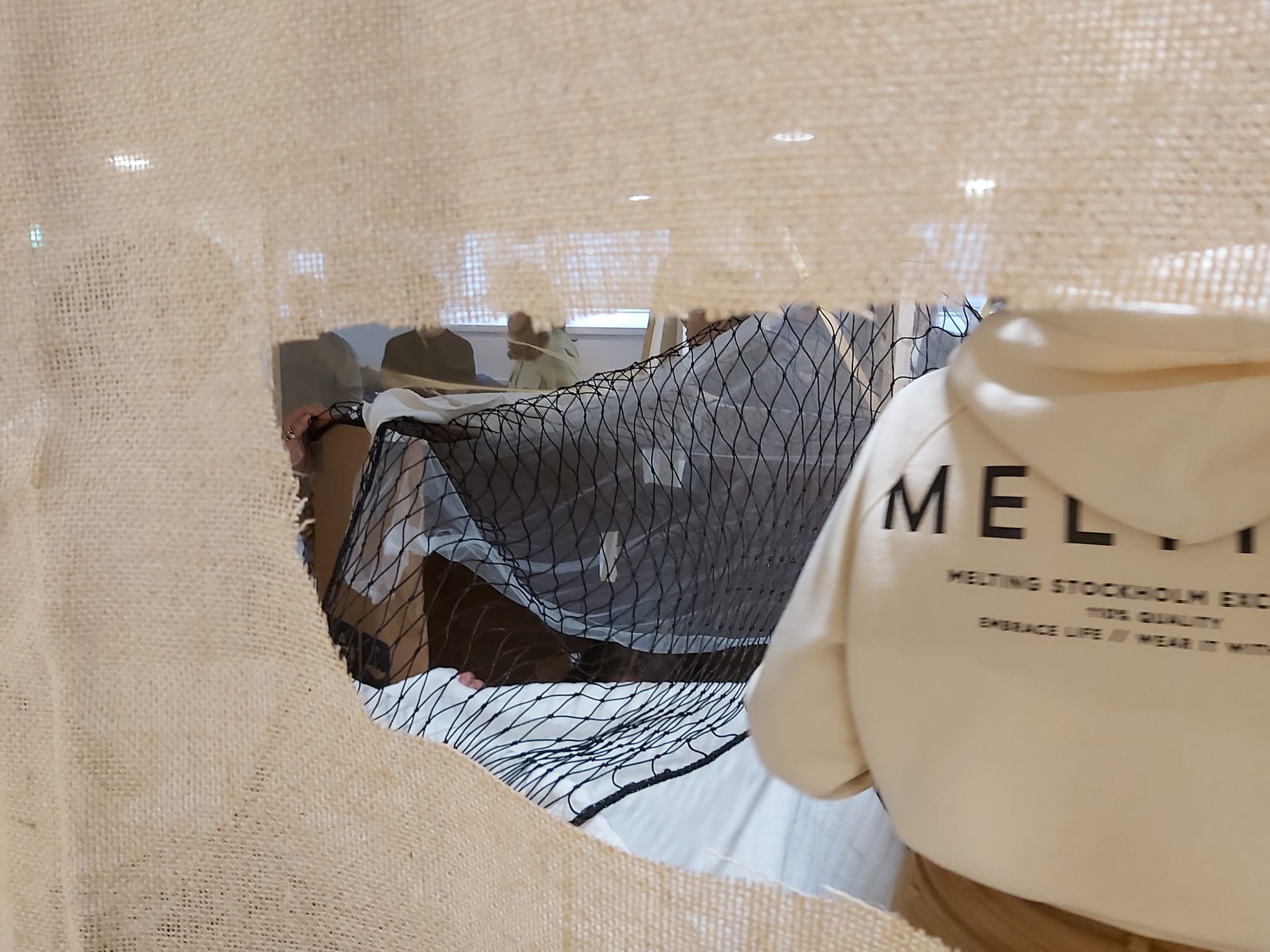
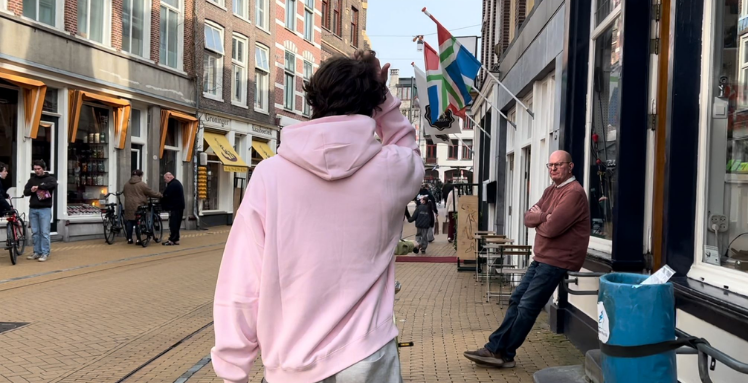
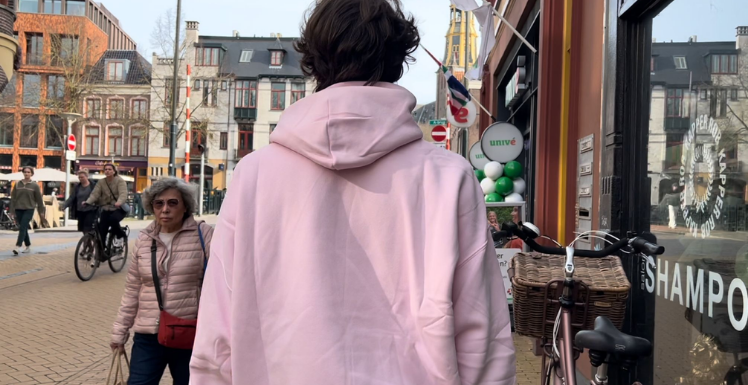
In this experiment, a man wore a light pink hoodie and walked around the city to observe bystanders’ reactions. The experiment took place in the city center of Groningen, and the duration was about 3 minutes. The process of his walking was documented as a video recording, after which I took notes of immediate reactions. Later, the video was analyzed to do another round of observations of people’s behaviour.
An additional observation was the behaviour of the man wearing the shirt.
Goal:
The goal of this experiment was to observe how people react to a man wearing a ‘feminine’ color, and to see if he gets noticed more or treated differently.
Result:
The results were that, while he got some looks, people generally didn’t act differently towards him, and there were no extreme reactions, however, this experiment was largely impacted by the chosen location (Groningen, Netherlands). We recognize that the results would vary depending on the environment. Additionally, the participant also didn’t act differently while wearing the ‘feminine’ color.
Controlled Experiment
The Color Authority Test
How do spatial and atmospheric conditions shape perceived authority and human response?
The goal of this experiment was to investigate whether spatial conditions, specifically being positioned inside or outside a coloured spotlight, affect how people perceive and respond to authority. Additionally, it aimed to explore whether different colours influence this perception and behaviour.
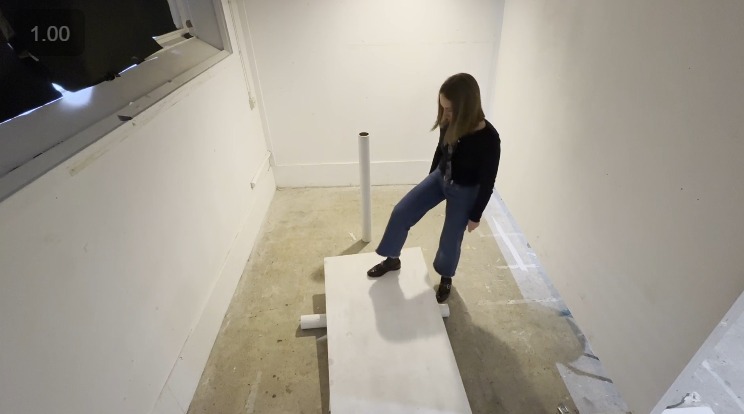
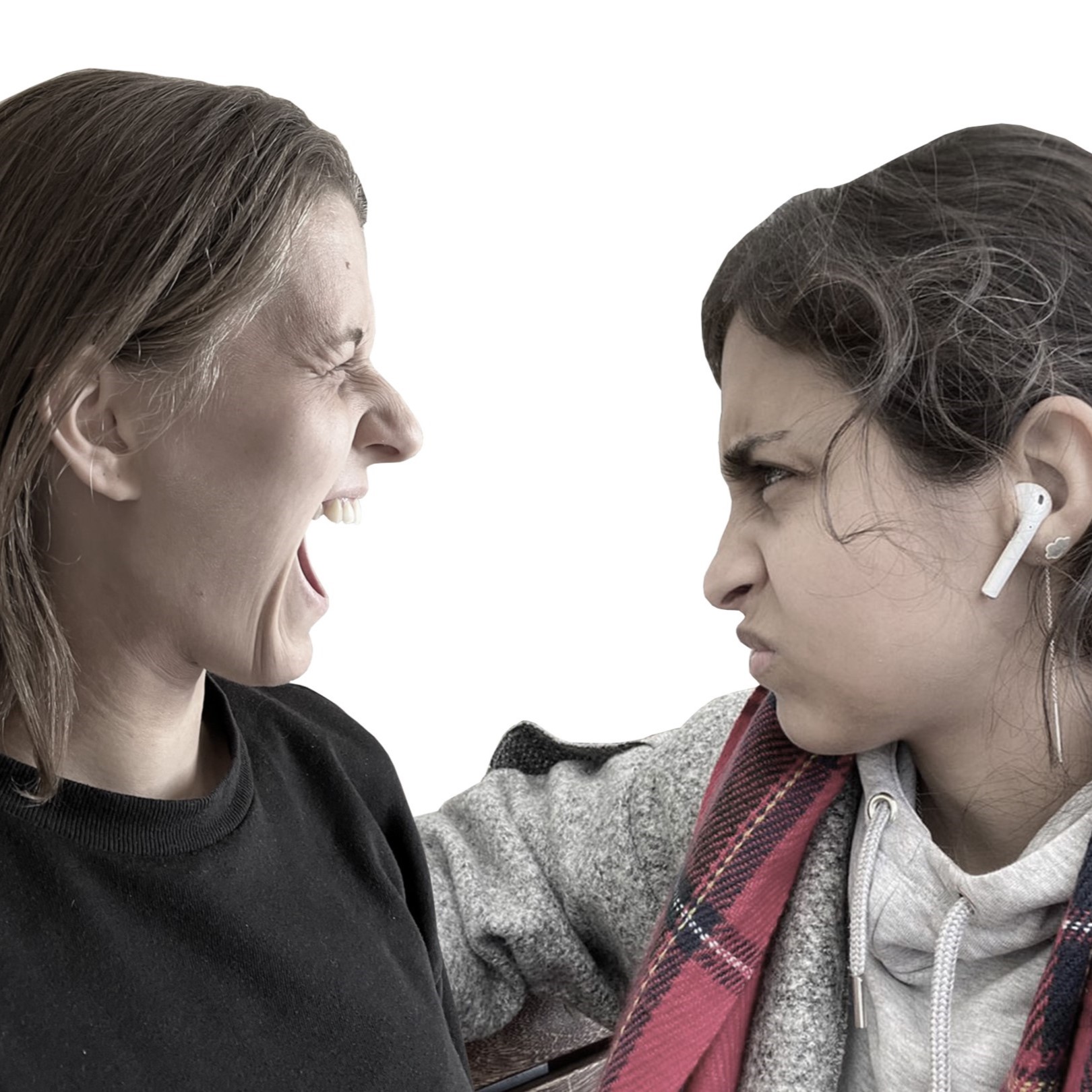
To test this, we asked classmates to participate in the experiment. Participants were placed in situations where someone gave them a simple command (e.g., “sit down”), either while standing inside a coloured spotlight or outside of it. The interactions were recorded on video, allowing us to later analyse differences in reactions, behaviour, and perceived authority across the different conditions and colours.
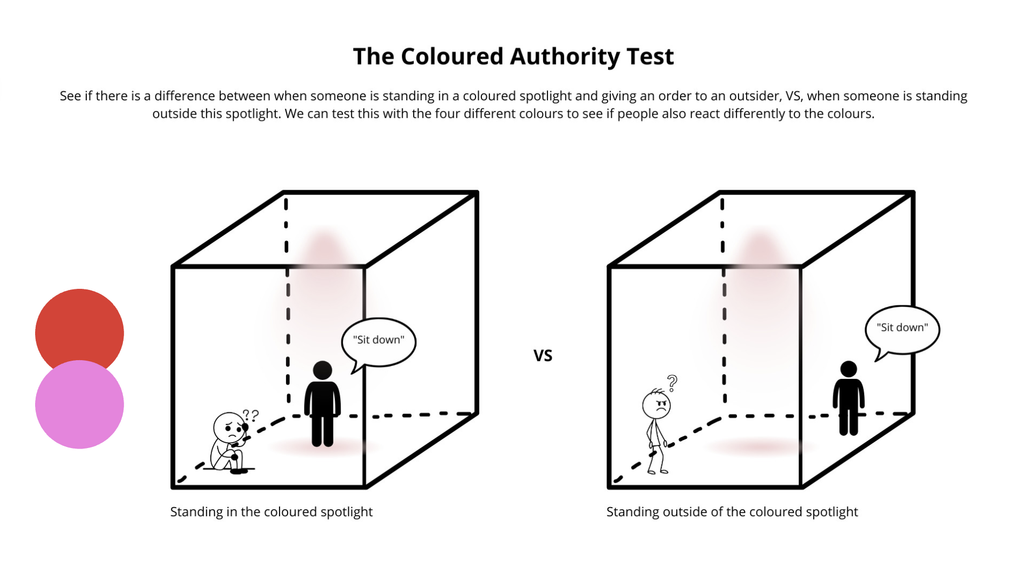
Examples of the experiment
Pink light resulted in a softer, slightly more hesitant response
Red light tended to evoke more direct and immediate compliance
What did we learn?
- Authority is shaped by both space and atmosphere, not only by words.
- Coloured lighting influenced how quickly people responded.
- Red light created a stronger and more direct reaction.
- Spatial positioning affected how authoritative a person appeared.
- Tone of voice, facial expression, and body posture influenced participant responses.
- Clothing and appearance also changed perceptions of authority.
- Atmosphere can unconsciously guide human behaviour and attention.
Continuation of the Controlled Experiment
To what extent does colour influence attraction and interaction within a spatial environment?
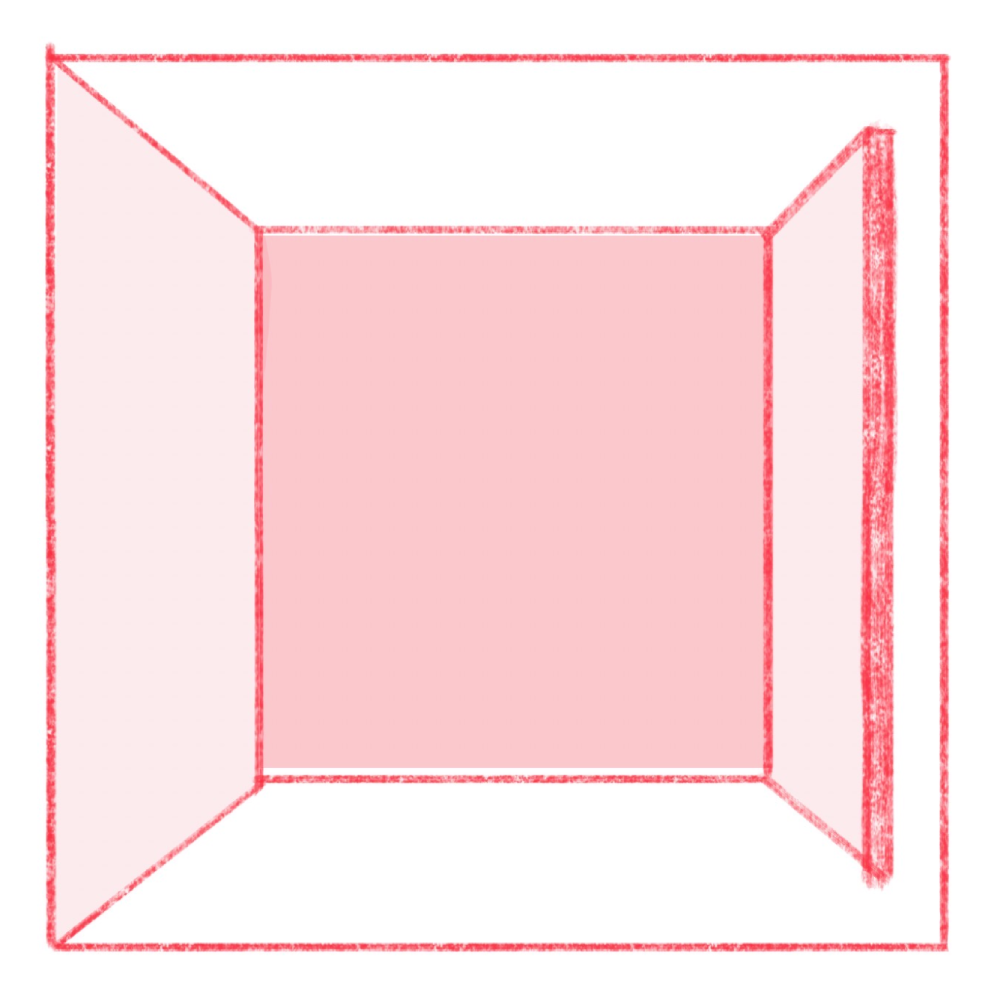
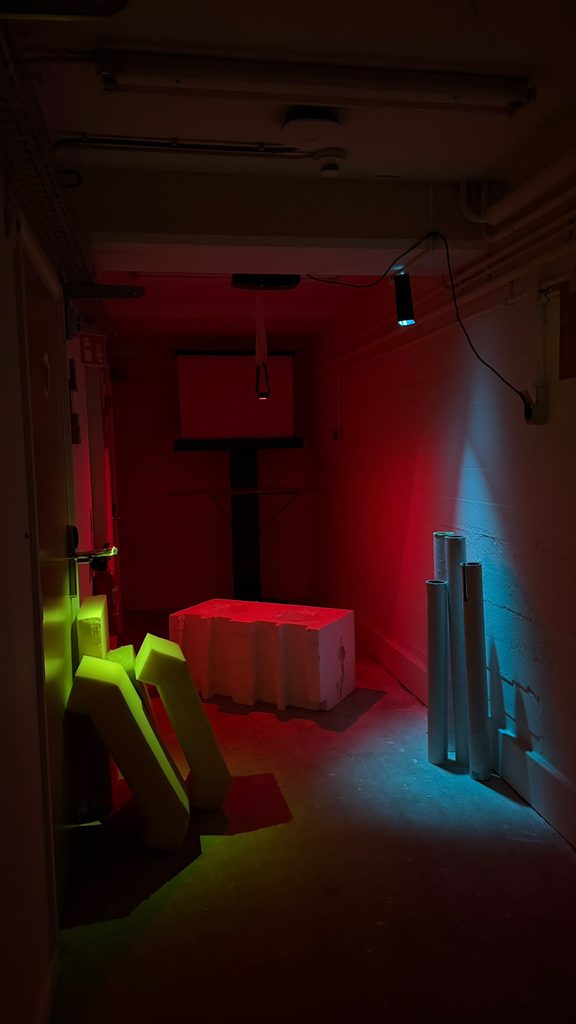
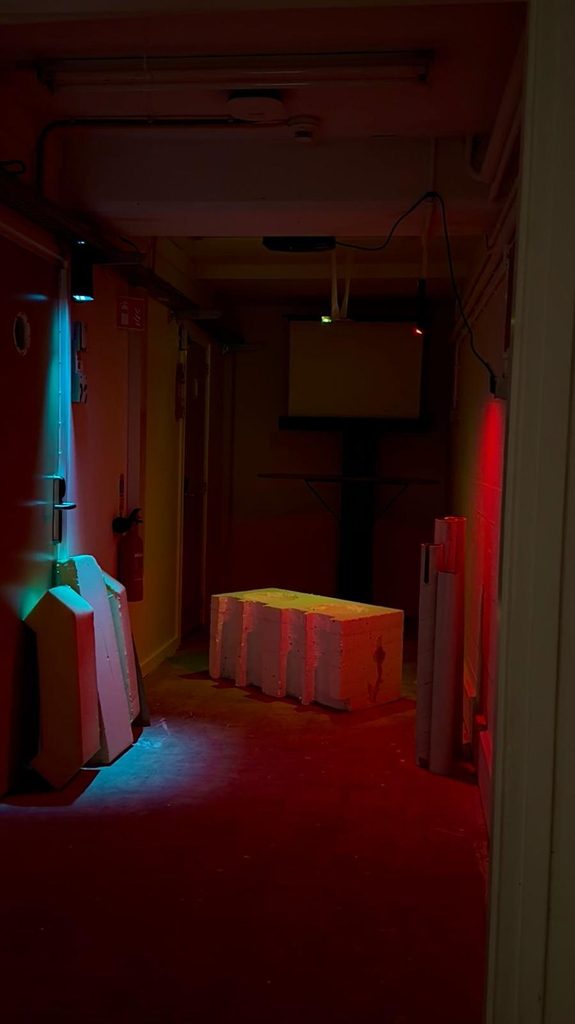
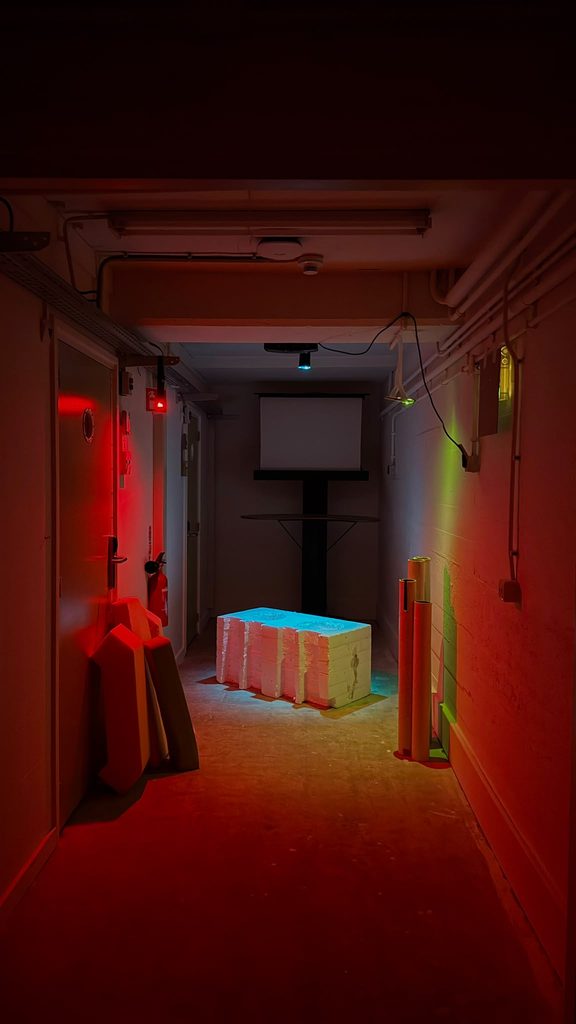
Continuing in the previous experiment, we wanted to explore the relationship between the power of colors, and space, and how color influences body movement within the space. The main goal was to determine whether human movement is influenced by the body itself, or by the color associated with it.
At the beginning of the experiment, only one colour was used within the space to observe the direct effect on body movement and attention. The body showed a clear response to the colour environment through changes in direction, focus and attraction to specific parts of the space. Although the spatial structure remained unchanged, the colour altered the psychological way the space was interpreted.
Result:
The results of the experiment indicate that color acts as a kind of spatial force. The body does not move neutrally within space but is influenced by the visual sequence created by the power of colours. Some colours appeared more capable of attracting attention and controlling perception, leading to changes in movement directions even when objects remained in the same positions. The experiment demonstrates that movement within space is not completely controlled by architecture or physical arrangement, but that color acts as an active force that drives attention, decision-making, movement rhythm, and the body’s movement within space. In this time, colour becomes the power that is able to reshape human behaviour within space.
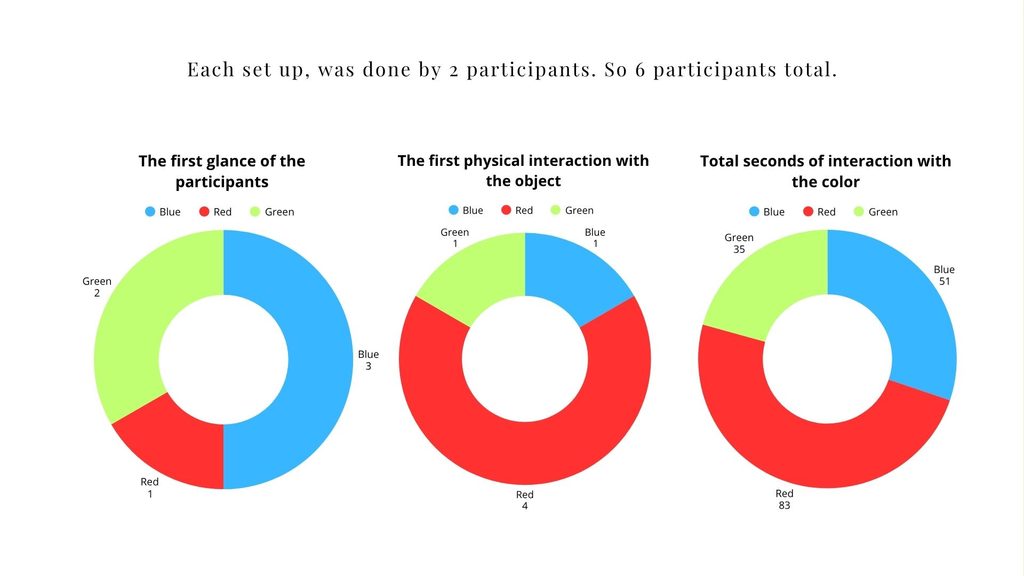
By observing the videos, it showed that red had the greatest power to attract attention and control movement within the space, even when objects were in the same placement. Red showed a strong visual presence and created a sense of tension or focus, so body movement often attracted towards it or was influenced by it first.
What did we learn?
- The same objects were perceived differently when their colour changed.
- Colour strongly influenced attention, movement, and interaction within the space.
- Movement was guided more by colour than by the objects themselves.
- Red light attracted the most attention and created the strongest response.
- Different object shapes or materials could have created different results.
- The experiment showed how colour can function as a spatial force within design.