Power of Instruction, Power of Obviousness, Project
Power of Obviousness
How can obvious information, prior knowledge and expectations shape peoples behaviour in space?
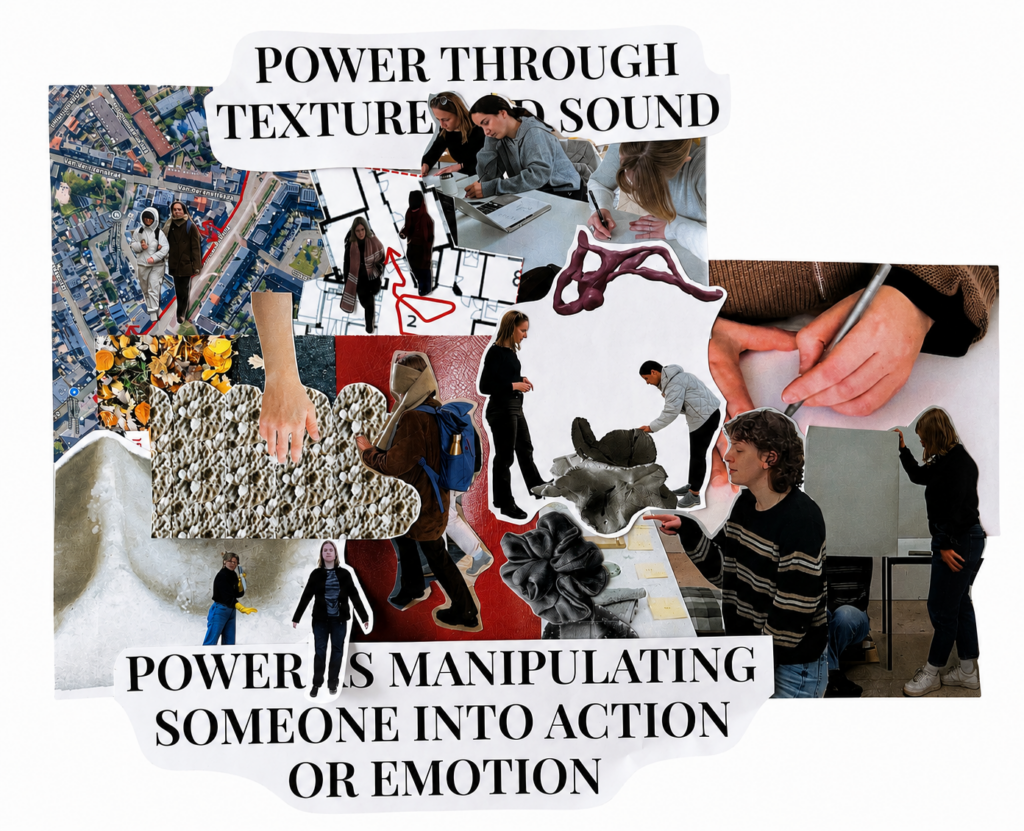
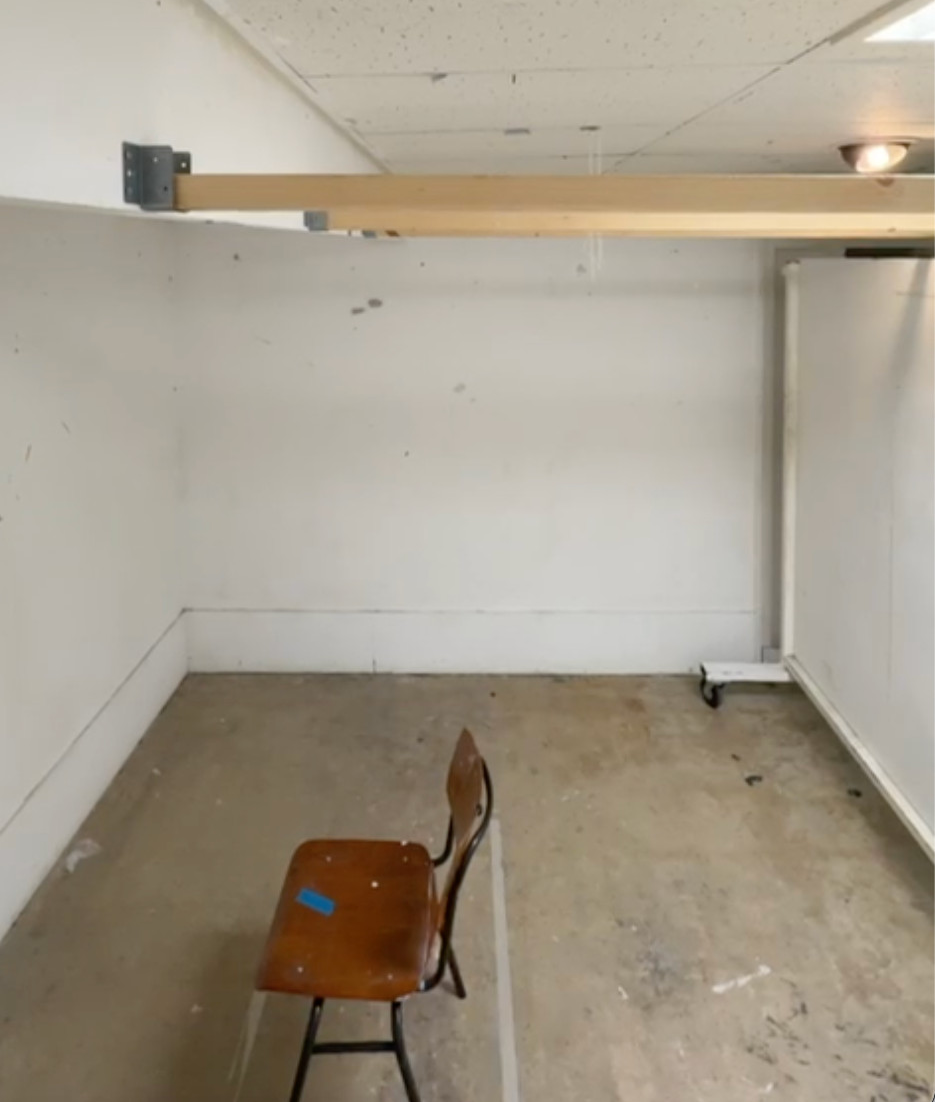
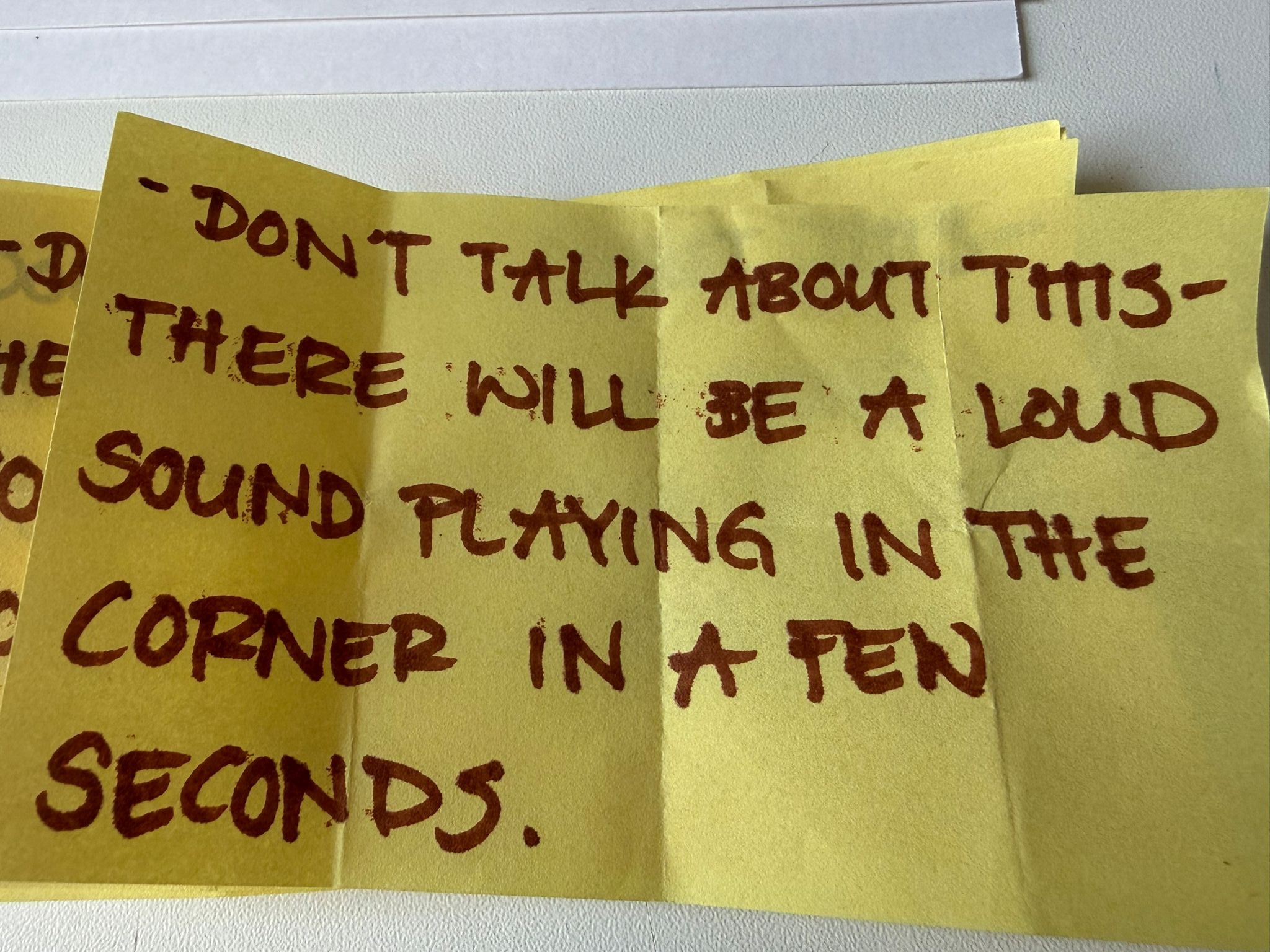
After diving into a research of texture and sound in space and how they can be used to manipulate peoples behaviour in order to spread power through space, we came to realise the obviousness of many our experiments. When we started to question why they were so obvious, obviousness itself became a highly intriguing topic.
Is there a general obviousness or is peoples most obvious and automated behaviour in space based on their biases? How can obvious information be used to have power over how people act in certain spatial settings? What happens when you either follow or counteract someones expectations in space? One important component of obviousness is knowledge. Recognising obviousness can only happen when there is some kind of expectation based on experiences prior to this situation: some kind of knowledge. Does obviousness also work in the absence of this knowledge?
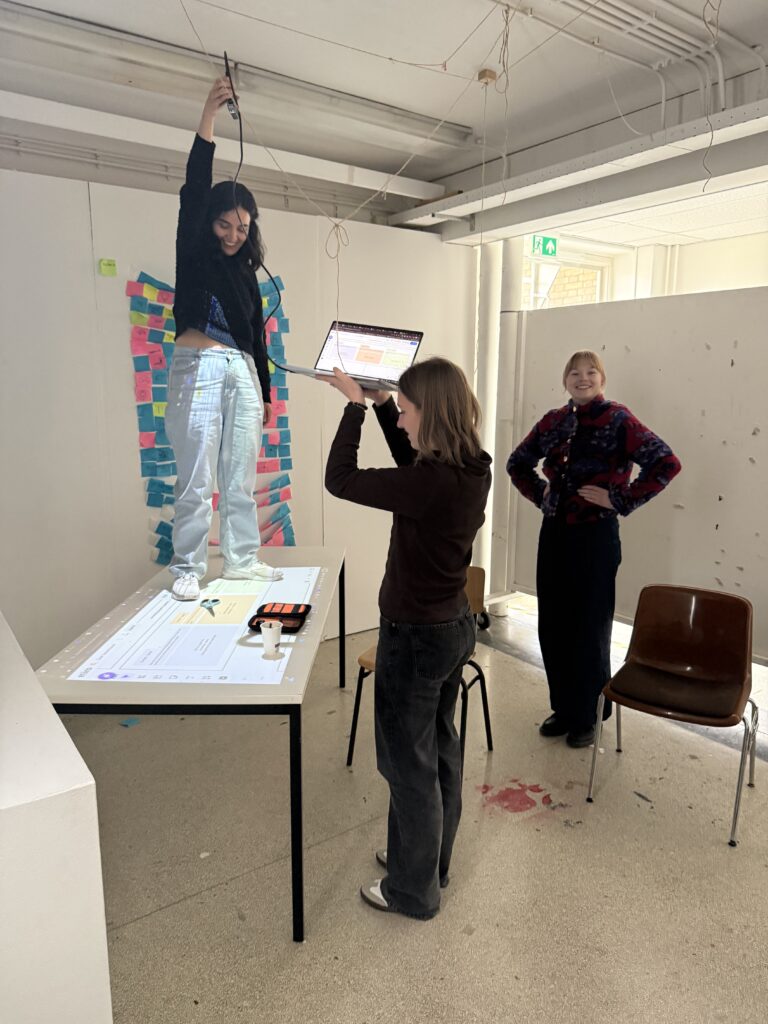
To understand how obviousness works, we performed a row of experiments that look into knowledge, information and behaviour based on instruction. Our parallel desk research on design affordances helped us understand the way information can be spread spatially without using language to instruct people in space. [footnote: Gal, Michalle, Ventura, Jonathan. Introduction to Design Theory | Philosophy, Critique, History and Practice. New York: Routledge, 2024.]
Team members Anna Talalaeva, Ugnė Šilgalytė, Maryam Abolgashemi, Hannah Moch
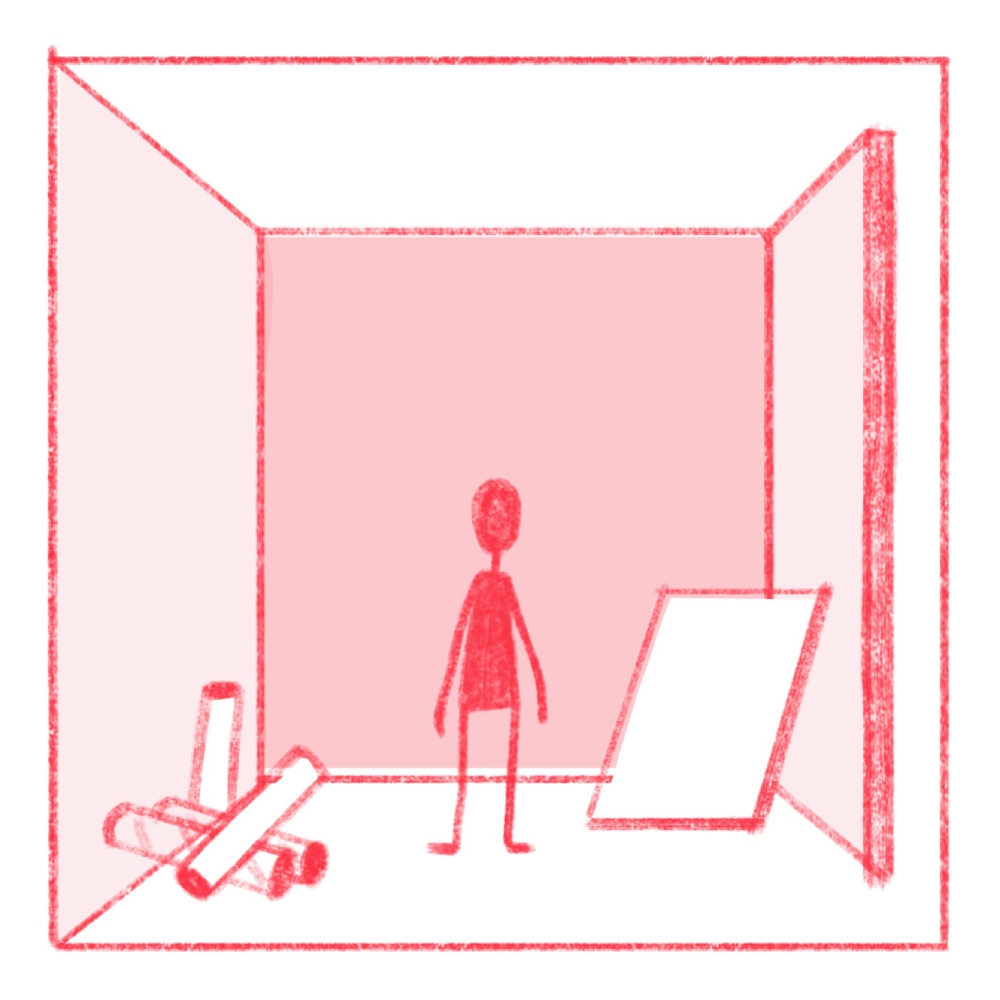
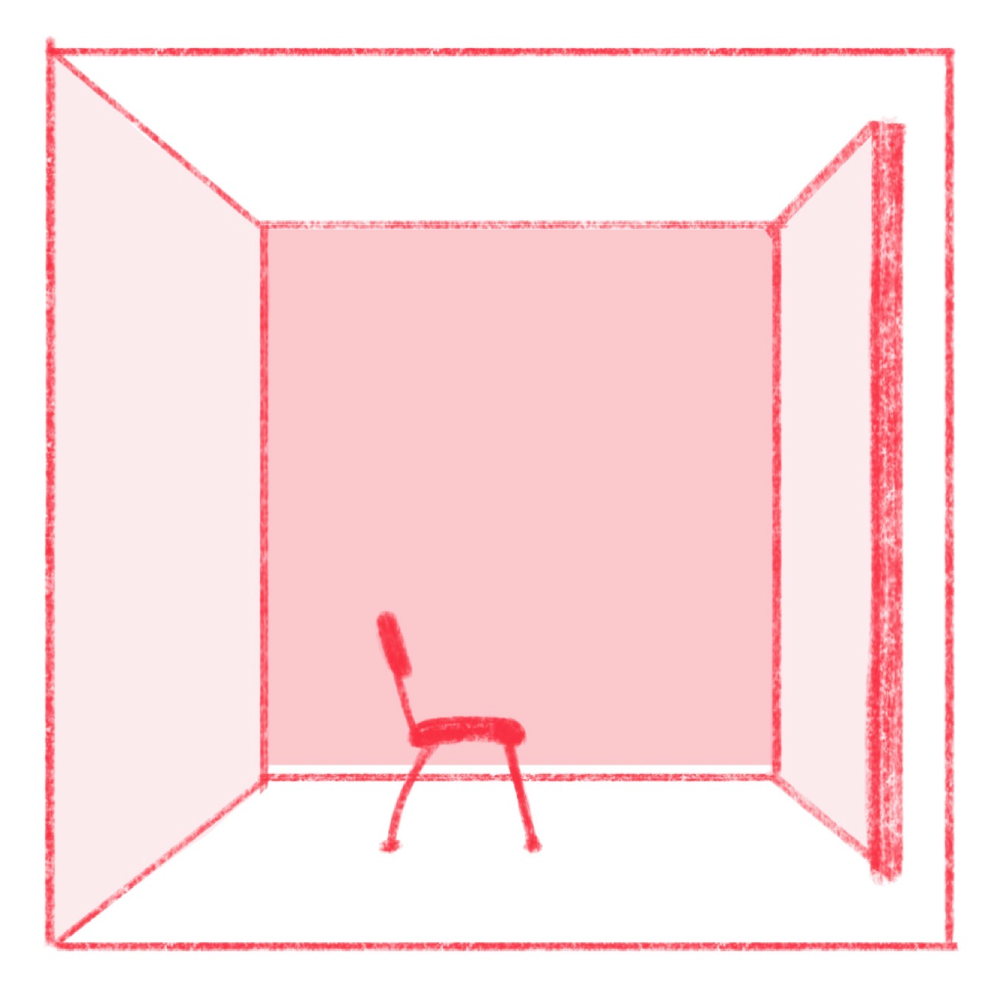
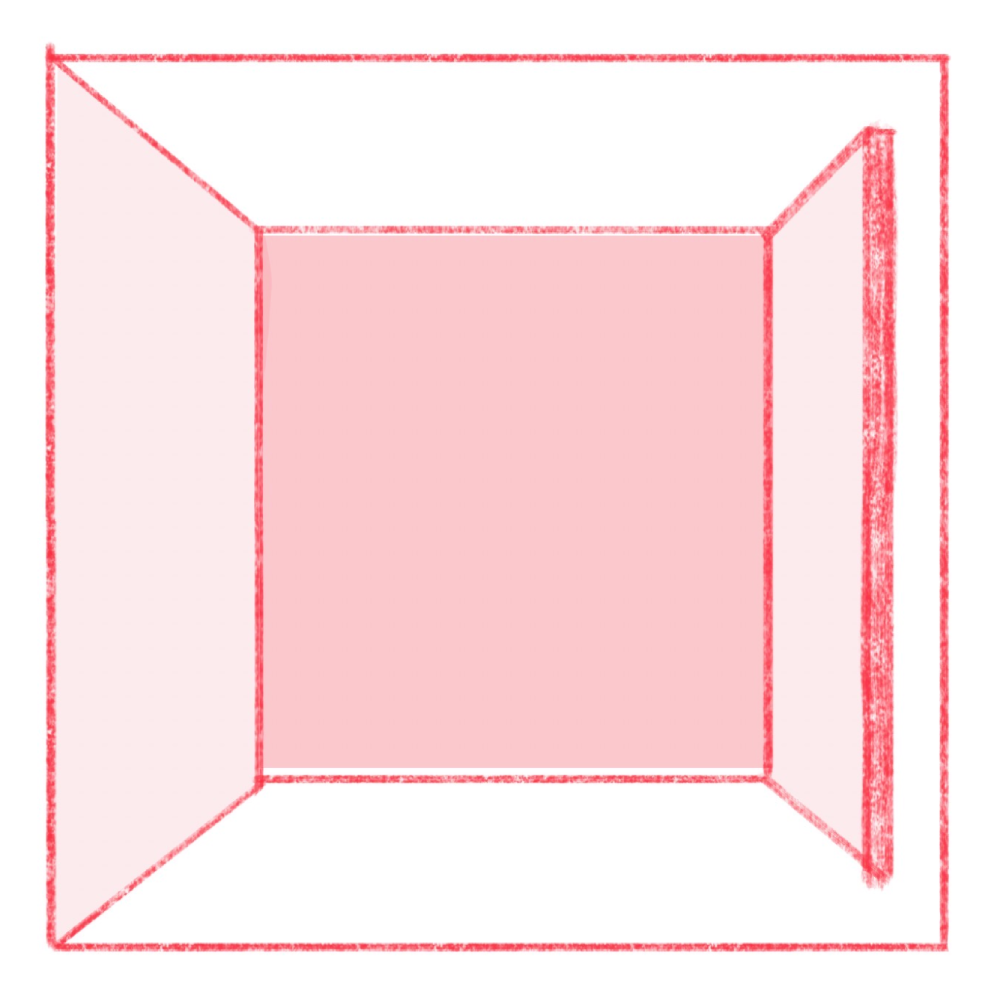
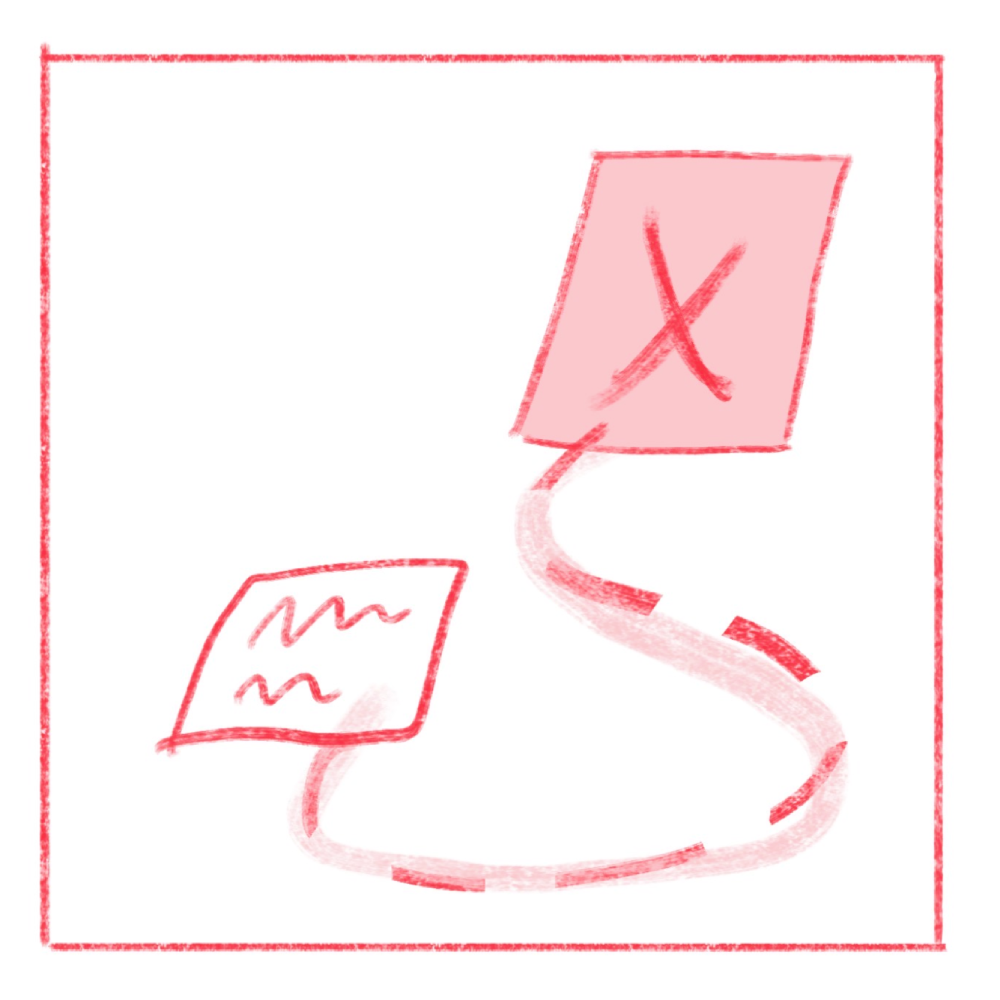
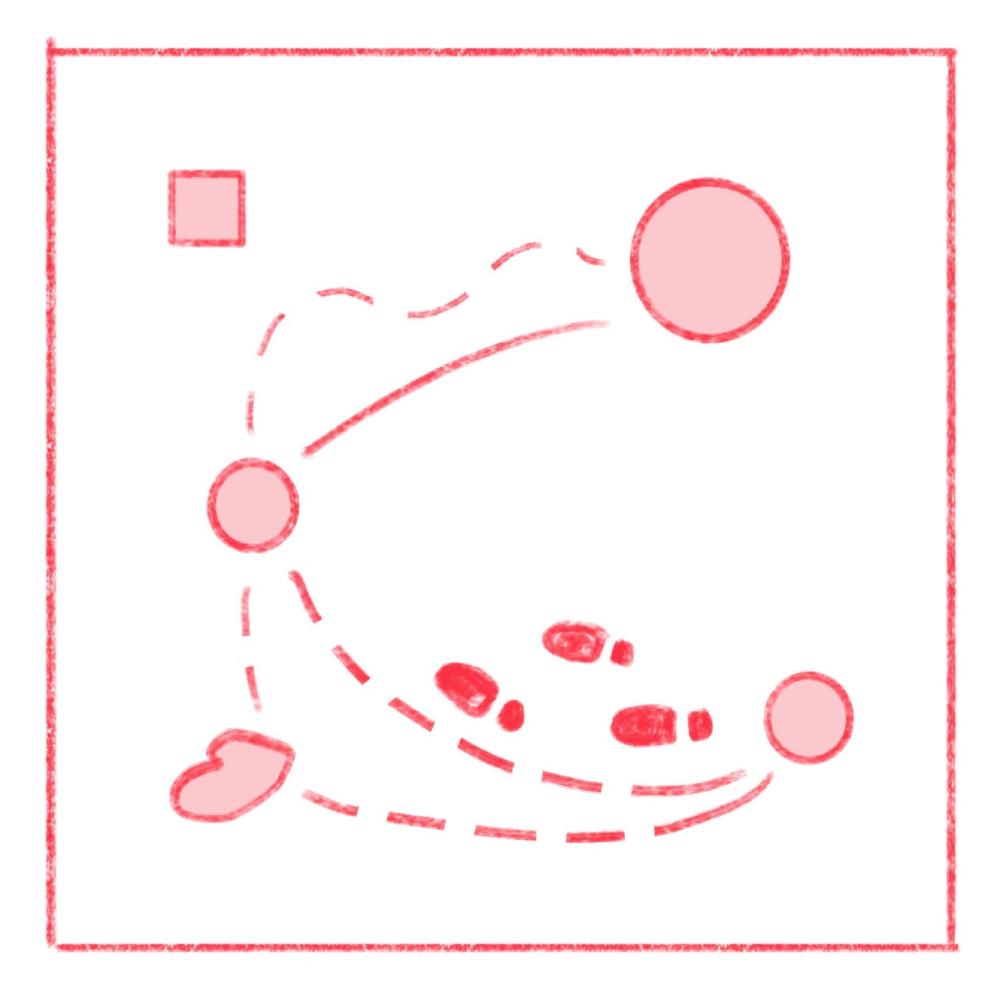
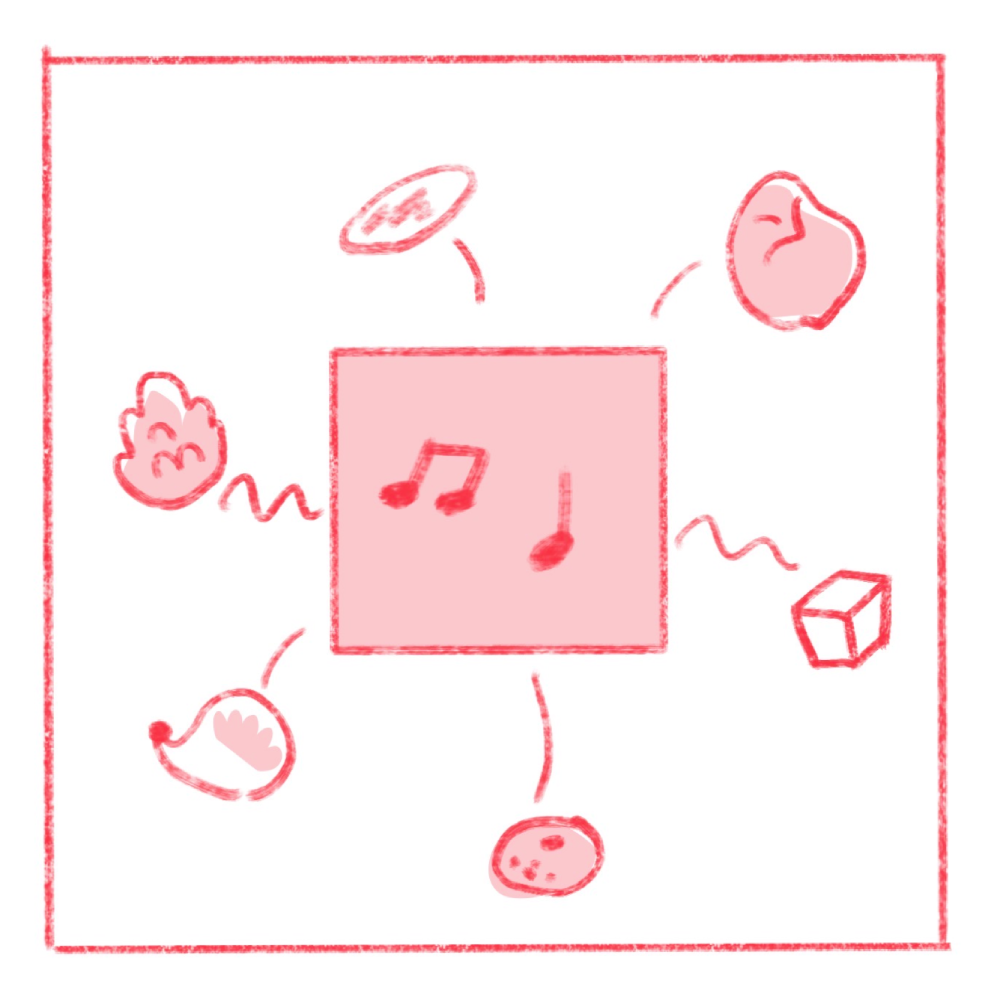
To make visible obviousness in space and help others understand our definition of it, we developed a tool: the scale of obviousness. It spans from freedom to order, with freedom being the least obvious situation and order giving (based on prior knowledge and the use of affordances) an obvious instruction or choice of action.
“Architecture is the art of space and it is the art of time as well between order and freedom.” [footnote: Zumthor, Peter. Thinking architecture. Birkhäuser, 1999.]